


Van Gogh’s Arles Adventure: The Artistic Revolution Born in the Yellow House (July 23, 1888)

Updated: Aug 7, 2025
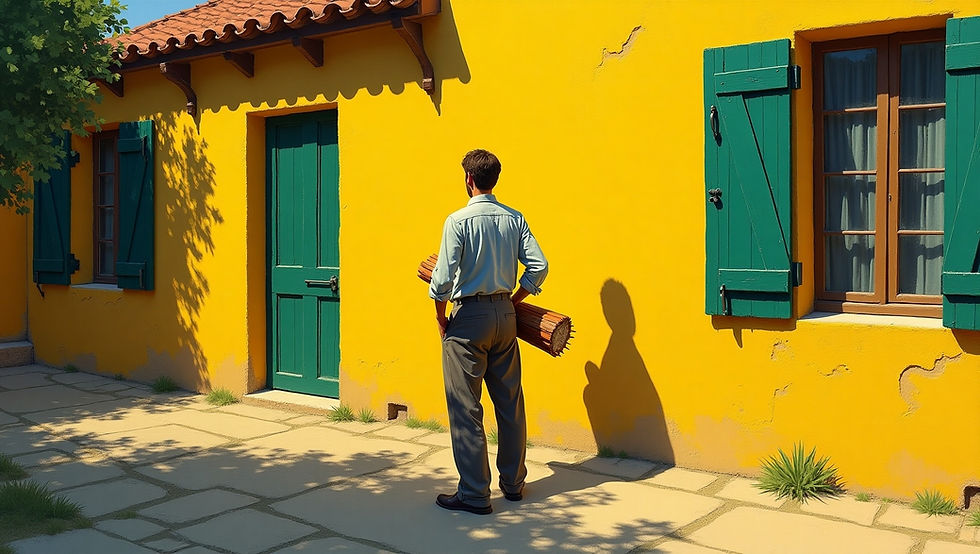
July 23, 1888, marked one of the most pivotal moments in art history. Vincent van Gogh moved into a modest house in the sunny town of Arles, France—known as the Yellow House. This wasn’t just a change of address; it was the beginning of a creative explosion that would reshape modern art.
Escape to Arles: A Soul Searching for Light
Van Gogh left behind the bohemian yet exhausting art scene of Paris, drawn to the radiant light of Southern France. The natural beauty and vivid colors of Arles captivated him. The Yellow House became more than a shelter—it was a sanctuary and an artistic laboratory. Over the next 14 months, he produced some of the world’s most famous paintings, including "Starry Night Over the Rhône," "Sunflowers," "The Yellow House," and "The Bedroom in Arles."
A Rebellion of Color: Van Gogh’s Artistic Transformation
During his time in Arles, Van Gogh’s palette erupted with intensity. He abandoned dark tones in favor of pure yellows, deep blues, and vibrant greens. His brushstrokes grew more energetic, his compositions bolder. The works from this period reflect the storm within his soul:
"Sunflowers" (1888) – This series, awash in shades of yellow, symbolized the cycle of life and passion.
"Starry Night Over the Rhône" (1888) – The night sky danced with blues and golds under his brush.
"Café Terrace at Night" (1888) – The contrast of yellow and blue captured the magic of nighttime glow.
A Tragic Collaboration: Art and Conflict with Gauguin
Van Gogh dreamed of turning the Yellow House into a hub for a community of artists. With this vision, he invited his friend Paul Gauguin to Arles. The two worked, argued, and pushed each other’s art to new heights. But their collaboration ended tragically due to Van Gogh’s deteriorating mental state. On December 23, 1888, after a heated confrontation, Van Gogh severed his own ear—an event that remains one of art history’s most shocking moments.
The Fine Line Between Madness and Genius: Van Gogh’s Fragility
The Arles period was Van Gogh’s most prolific—and most painful. Struggling with loneliness, poverty, and mental turmoil, he produced nearly a painting a day between 1888 and 1889. Yet this creative frenzy culminated in his hospitalization at a mental asylum.
Van Gogh’s Legacy: Light Radiating from the Yellow House
Today, the works Van Gogh created in Arles are among the world’s most treasured masterpieces. The artistic revolution born in the Yellow House bridged Impressionism and Expressionism, influencing 20th-century art with its emotional depth and bold use of color.
Final Thought: The Meaning of July 23
July 23, 1888, wasn’t just a moving date—it was the day art was reborn in a burst of color. The silent revolution Van Gogh ignited in the Yellow House continues to inspire art lovers worldwide.
What about you? Which Van Gogh painting moves you the most? Share your thoughts in the comments! 🎨✨


Comments